
Indira Gandhi Nahar Pariyojana (IGNP): Impact in Jaisalmer
Vol. 1 · Issue 1· pp. 27–28
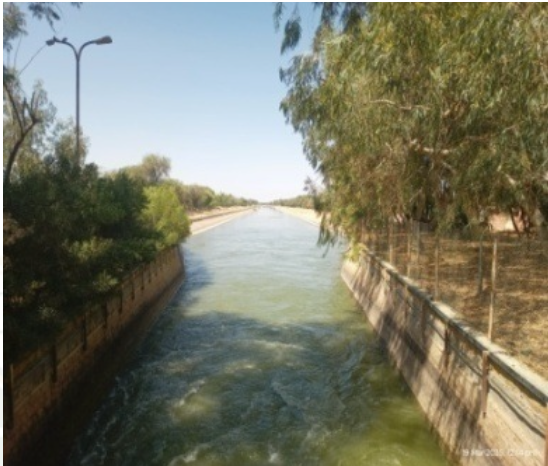
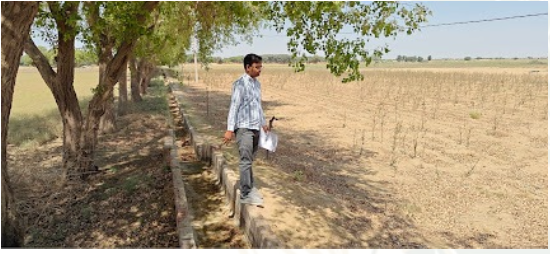
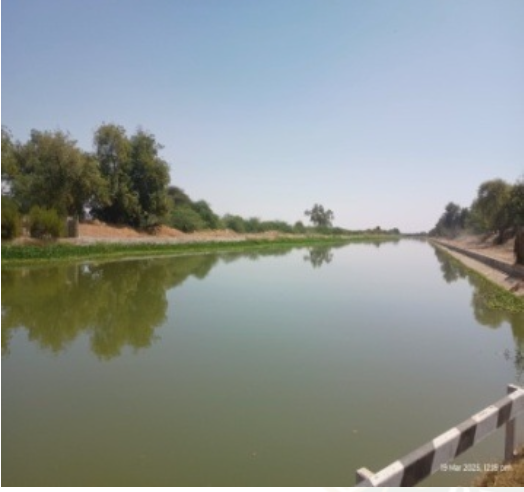
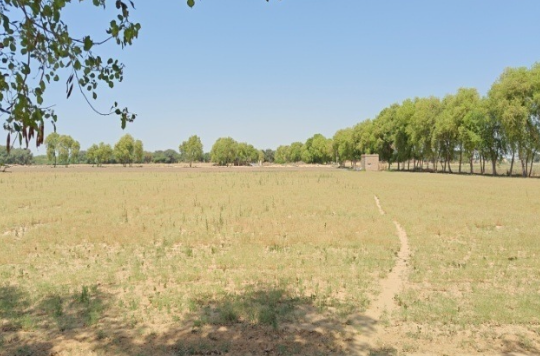
The implementation of the Indira Gandhi Nahar Pariyojana (IGNP) has completely rewritten the geographic reality of the Jaisalmer district. By routing Himalayan river water straight through the heart of the Thar Desert via its Sagarmal Gopa Branch, the project transformed Jaisalmer from a fragile, drought-prone landscape into a vibrant hub of agricultural activity and permanent human settlement. Fig. 1: Indira Gandhi Canal command area 1. The Agricultural Revolution and Crop Diversification Before the canal's arrival, agriculture in Jaisalmer was entirely dependent on highly unpredictable monsoonal rainfall (~148mm annually), limiting farmers to basic rain-fed crops like Bajra (pearl millet). Fig. 2: Farmland in the arid zone • The Irrigated Expansion: The canal drove a gross irrigated area spike of over 219% across recent decades, with two-thirds of the district’s watered farms relying exclusively on the IGNP. • Shift to High-Value Cash Crops: The sandy wastelands now sustain two-season cultivation cycles. Jaisalmer has become a highly competitive producer of mustard, cluster beans (guar), groundnuts, and cotton, giving local farmer’s substantial purchasing power. • The "Diggi" Innovation: To combat uneven water distribution at the tail-end branches, local farmers engineered intermediate field-level storage tanks called Diggis. Over the last twenty years, diggi integration expanded irrigated crop cover by 4.5 times, enabling widespread adoption of high-efficiency sprinkler irrigation systems.
Read Article →